
Voices of Urban Mobility
Reflections from Leaders
Featured Voice
Marcus Quintella
Director of FGV Transport, Getulio Vargas Foundation | Rio de Janeiro, Brazil
Marcus Quintella leads FGV Transport at the Getulio Vargas Foundation, one of Brazil's most influential research and policy institutions. His work focuses on public transportation policy, integrated mobility systems, and equitable access to transit in Latin America's rapidly growing cities.
In this conversation, Marcus reflects on what urban mobility truly means—and why Brazil's cities must act urgently to reverse decades of underinvestment.
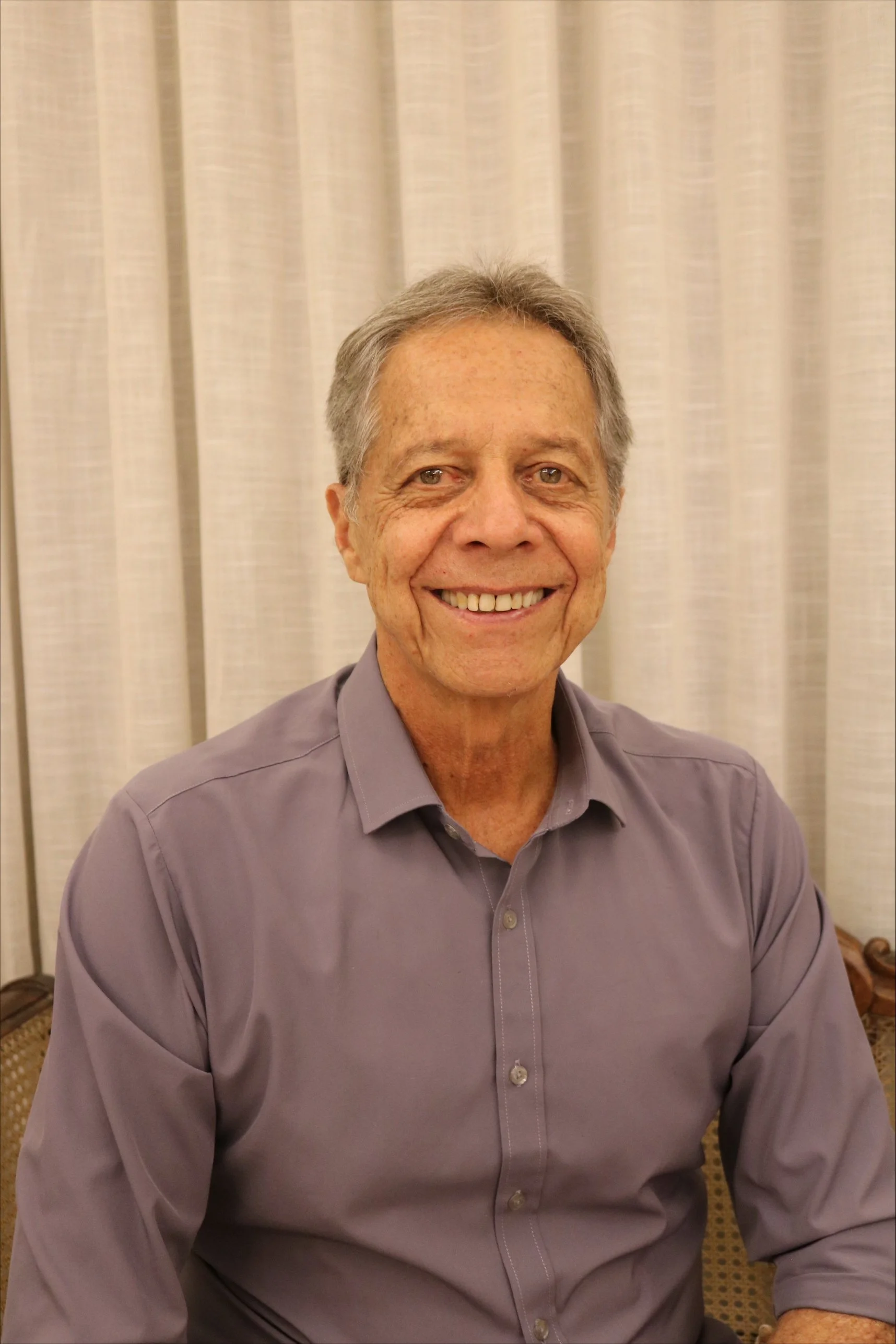
Marcus Quintella, Director of FGV Transport at the Getulio Vargas Foundation (FGV) - Rio de Janeiro, Brazil
Urban Mobility Is Quality of Life
My reflection on urban mobility is inspired by Brazil’s medium-sized and large cities, which urgently need to offer better-quality public transportation. There is near-unanimous dissatisfaction with the poor conditions in which people travel daily — whether they drive, take the bus, train, or subway, or commute as cyclists or pedestrians.
Residents suffer from the lack of comprehensive, integrated, affordable, and efficient public transport. Daily traffic jams, lost time, stress, noise, air pollution, discomfort, and insecurity all contribute to a declining quality of life.
I define urban mobility as the condition that enables the competent, accessible, safe, sustainable, and equitable movement of people and goods within cities. It must ensure access to housing, jobs, education, commercial hubs, healthcare, and services — regardless of income, age, physical ability, or location.
To reverse the current reality, Brazilian cities must urgently invest in building, modernizing, and expanding high-capacity systems such as commuter trains and heavy metros, complemented by medium-capacity and feeder networks like light metros, monorails, LRVs, and BRTs. These must all operate with full physical and fare integration — with each other and with additional modes like buses, ferries, funiculars, and cable cars.
Crucially, all systems must receive public subsidies to ensure fares are affordable and aligned with the purchasing power of the Brazilian population.
I firmly believe that urban mobility is inseparable from quality of life — when it delivers accessibility, predictability, peace of mind, economic efficiency, safety, equity, and collective well-being.